Do you want to eat fresh, homegrown vegetables all year round, but don’t have the time or space to garden outdoors? If so, you may be wondering if it’s possible to grow vegetables indoors without sunlight. The good news is that it is possible to do this! In this blog post, we will discuss some tips and tricks for growing vegetables indoors without sunlight.
Table of Contents
Learn which vegetables can grow well indoors without sunlight.

One of the best vegetables to grow indoors is lettuce. Lettuce can be grown in a pot or container with little to no sunlight. You can also try growing herbs such as basil, cilantro, or mint indoors. These plants do not need much light and can survive in low-light conditions.
If you want to grow vegetables that require more sunlight, you can try using grow lights.
Grow lights are artificial lights that mimic the sunlight and can be used to help plants grow. They are available in different types, including fluorescent, incandescent, LED, and HID lights. You can find these lights at your local hardware store or online.
Grow lights can be used to grow a variety of vegetables indoors. Some of the best vegetables to grow with grow lights include tomatoes, peppers, eggplants, and cucumbers. These plants need more sunlight than other vegetables, so using grow lights is essential for their growth.
Remember to water your plants regularly, but do NOT overwater.
Tips for Growing Vegetables Indoors Without Sunlight
– Choose vegetables that can grow well in low-light conditions.
– Use artificial lights, such as grow lights, to provide plants with the light they need.
– Water plants regularly to keep them healthy.
– Make sure to place plants in a sunny spot if possible.
– Use pots or containers that have drainage holes so water can escape.
– Harvest vegetables regularly to promote growth.
– Rotate plants every few days so they all get an equal amount of sunlight.
It is definitely possible to grow vegetables indoors without sunlight!
Do you want to eat fresh, homegrown vegetables all year round? If so, you may be wondering
– Choose vegetables that don’t need a lot of sunlight to grow, such as lettuce and herbs.
– If you want to grow vegetables that need more sunlight, use grow lights.
– Remember to water your plants regularly.
Regrowing vegetables from scraps is
a great way to get free vegetables.
– Cut off the bottom of the vegetable and place it in water.
– Change the water regularly and wait for the vegetable to grow back.
– Once the vegetable has grown back, you can transplant it into the soil or a pot.
It is possible to grow vegetables indoors without sunlight! Some tips to remember are to choose the right vegetables, use grow lights if necessary, and water your plants regularly. With a little bit of effort, you can enjoy fresh, homegrown vegetables all year round! Try these tips today and see for yourself how easy it is to grow veggies indoors without sunlight.
– Cut off the bottom of the vegetable and place it in water.
– Change the water regularly and wait for the vegetable to grow back.
– Once the vegetable has grown back, you can transplant it into the soil or a pot.
It is possible to regrow vegetables from scraps! Some tips to remember are:
– Place the bottom of the vegetable in water.
– Change the water regularly and wait for the vegetable to grow back.
– Once the vegetable has grown back, transplant it into the soil or a pot.
Can you grow fruits indoors without sunlight?
Fruits are a little more difficult to grow indoors without sunlight because they need more light than vegetables. However, it is still possible to grow some fruits indoors with the use of grow lights. Some of the best fruits to grow indoors include strawberries, blueberries, and raspberries. If you want to try growing other fruits, you can always experiment and see what works best for you.
Remember, if you are growing fruits indoors without sunlight, you will need to use grow lights. These lights can be found at your local hardware store or online. Make sure to place the lights close to the plants so they can get the light they need. Also, remember to water your plants regularly.
With a little bit of effort, you can grow vegetables and fruits indoors without sunlight! Just remember to choose the right plants, use grow lights if necessary, and water your plants regularly. With these tips, you can enjoy fresh, homegrown produce all year round!
– Fruits such as tomatoes, peppers, and cucumbers need more sunlight than other vegetables.
– Use grow lights to provide fruits with the light they need.
– Water plants regularly to keep them healthy.
You can grow fruits indoors without sunlight! Some tips to remember are:
Fruits that can be grown indoors without sunlight include lemons, limes, oranges, and grapefruits. These fruits need a lot of light to grow, so using grow lights is essential.
What food can grow indoors without sunlight?
What vegetables grow well without sunlight?
Can I grow plants indoors without a grow light?
These are all great questions that we will answer in this blog post. First, let’s start by discussing what you need to know about growing vegetables indoors without sunlight. Then, we will give you a list of some of the best vegetables to grow indoors and provide tips on how to do it. Finally, we will share some information on growing fruits indoors without sunlight. Let’s get started!
– Some vegetables, such as lettuce and spinach, can be grown in a sunny window.
– Choose the right vegetables for your climate and environment.
– Water plants regularly to keep them healthy.
It is possible to grow vegetables indoors without sunlight, but most require the use of artificial light to mimic natural light from the sun.
Which Herbs Grow Well Indoors?
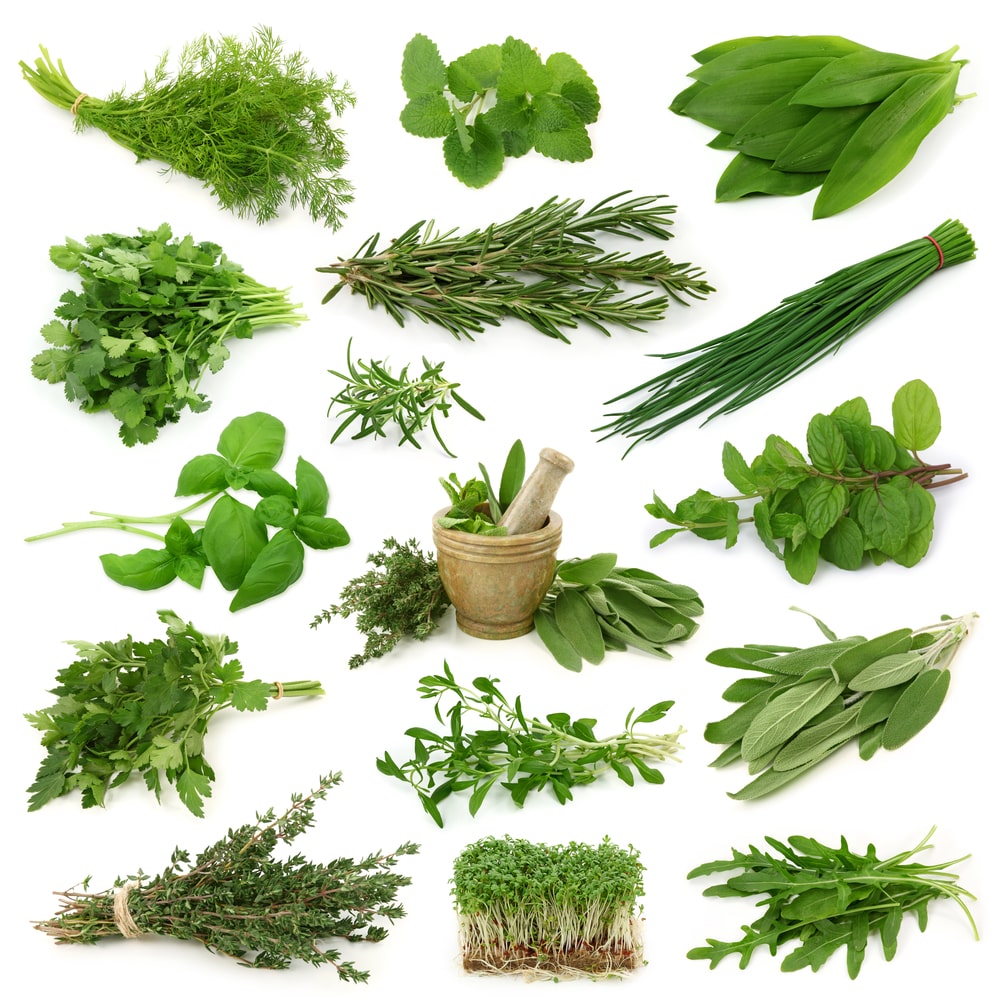
Basil, chives, cilantro and mint are herbs that do not need a lot of light to grow.
Some of the best herbs to grow indoors include basil, chives, cilantro, and mint. These herbs do not need a lot of light to grow and can thrive in small spaces. If you want to try growing other herbs, you can always experiment and see what works best for you.
Remember, if you are growing herbs indoors without sunlight, you will need to use grow lights. These lights can be found at your local hardware store or online. Make sure to place the lights close to the plants so they can get the light they need. Also, remember to water your plants regularly.
With a little bit of effort, you can grow herbs indoors without sunlight! Just remember to choose the right plants, use grow lights when necessary, and water your plants regularly. With these tips, you can enjoy fresh, homegrown herbs all year round!
What Potting Soil Should I Use in the Winter Months?
One question that many gardeners have is what potting soil to use in the winter months. When temperatures drop, most plants go into a hibernation-like state and do not need as much water. However, it is still important to keep your plants moist so they don’t die.
One option for keeping your plants healthy in the winter is to use potting soil that is specifically designed for the winter months. This type of potting soil usually has added insulation, which helps to keep plants warm and hydrated.
Another option is to use a potting mix that contains moisture-retaining crystals. These crystals help to keep the potting mix moist for longer periods.
No matter what potting soil you choose, make sure to water your plants regularly. Keeping them healthy and hydrated is key in the winter months!
Should I Mimic What a Commercial Greenhouse Does?
Mimicking what a commercial greenhouse does is one way to increase your chances of growing vegetables indoors. A commercial greenhouse has conditions that are controlled and optimized for plant growth. This includes temperature, humidity, light, and air circulation.
If you want to try to mimic these conditions in your home, there are some things you can do. First, make sure that your plants have plenty of light. You can do this by placing them near a sunny window or using grow lights. Second, try to create humidity levels of at least 50%. This can be done by using a humidifier or setting out bowls of water near the plants. Third, ensure good air circulation by using fans. Finally, monitor the temperature and make sure it stays between 65 and 75 degrees Fahrenheit.
If you are not able to mimic all of these conditions, don’t worry! Some vegetables can still be grown in less-than-ideal conditions. Just be patient and experiment until you find what works best for you.
Gardening does not require a perfect environment, but it is important to try to create the best conditions possible for your plants. With a little effort, you can grow vegetables indoors without sunlight! Just remember to choose the right plants, use grow lights if necessary, and water your plants regularly. With these tips, you can enjoy fresh, homegrown vegetables and herbs all year round!
What Containers Can I use as Planting Pots?
Just about any container can be used as a planting pot, as long as it has drainage holes. Some good options include plastic pots, terra cotta pots, and wooden boxes. If you are using a container that does not have drainage holes, make sure to add some before you plant anything in it.
No matter what type of container you choose, make sure to select one that is big enough for the plant. Also, be sure to place the pot in a location where it will get plenty of sunlight. If you are using a container that is not sealed, like a wooden box, you can place it on top of a tray to catch any water that drains out. This will help to keep the water from draining onto your planting shelves or whatever you happen to use to support your pots.
Conclusion
Growing vegetables and herbs indoors without sunlight can be a challenge, but it is not impossible. By using the right potting soil, watering regularly, and monitoring the temperature, you can grow many different types of plants in your home. Just experiment until you find what works best for you! Enjoy fresh, homegrown produce all year long! Make sure you locate your local extension office for free practical advice on growing indoor vegetables without sunlight. They offer great advice to the home gardener!